Introduction
Trade shows have come a long way from mere product display for renting simple booths, putting up a banner, displaying pamphlets, and waiting for people to stop by. While that approach once worked, today’s exhibition scenario is different.
In 2026, the size of the brand’s booths is no longer the only factor used to evaluate it. Rather, they are judged by how effectively they capture attention, engage visitors, and create interactions. These days, a successful exhibition presence is determined by the experience it provides.
From Static Displays to Multi-Sensory Experiences
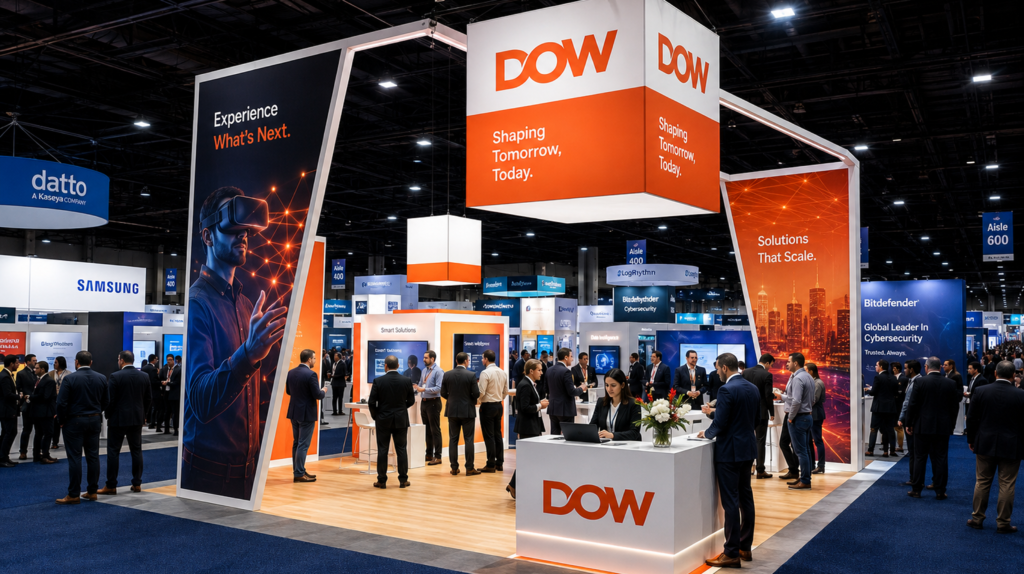
Trade shows are no longer just about displaying products. Today’s exhibition booths are designed to encourage visitors to interact, explore, and experience the brand. Live demonstrations, interactive displays, and digital content help create a more engaging experience than static product showcases.
Instead of a simple booth layout, many exhibitors now create a journey for visitors. Each section reveals something new, keeping people curious and encouraging them to spend more time with the brand. The result is a memorable experience that visitors are more likely to remember long after the event.
Micro-Moments Over Mega-Builds
A larger exhibition stand doesn’t always guarantee greater engagement. Many brands are finding success through small, interactive experiences that quickly capture visitor’s attention. Simple activities like live product demos, quick games, giveaways, or hands-on experiences often leave a stronger impression than a large display alone.
This thoughtful layout helps visitors move through the stand more naturally while making it easier for brands to attract leads and have meaningful conversations.
AI Is Making Exhibitions Smarter
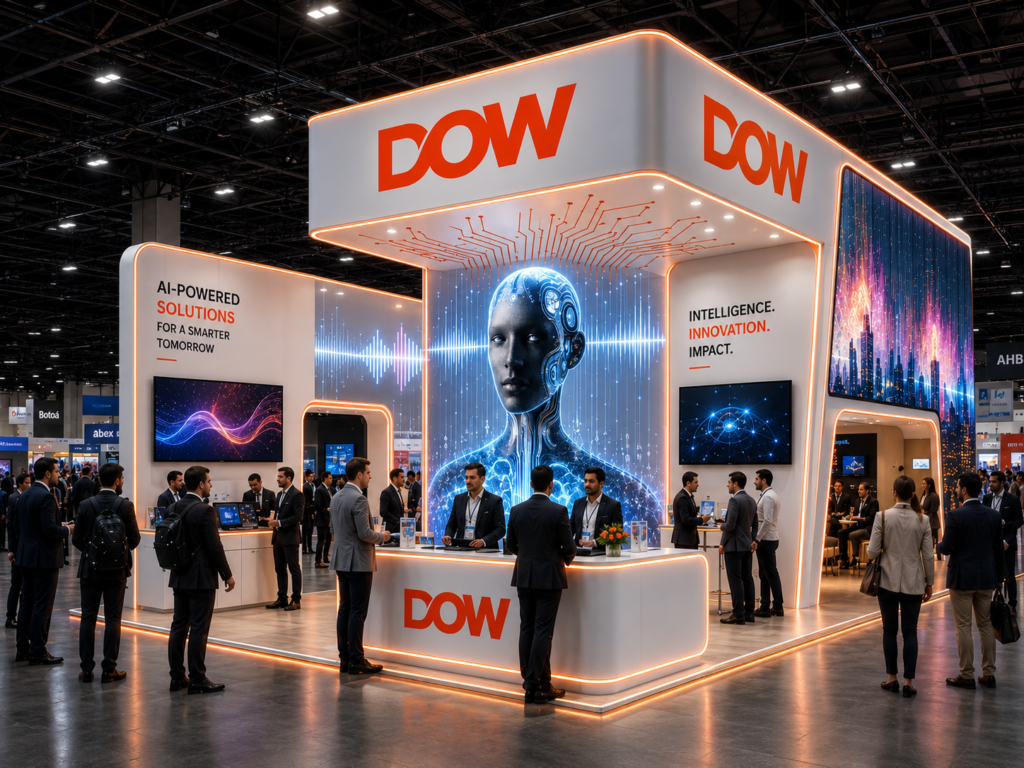
Artificial intelligence is becoming an important part of modern trade shows. From AI-powered chatbots and personalized product recommendations to QR code-based digital experiences, brands are using AI to make visitor interactions faster, more relevant, and more engaging.
Beyond the exhibition floor, AI helps businesses identify high-potential leads, personalise follow-up communication, and analyse visitor data. This allows sales teams to focus on meaningful opportunities and continue building relationships even after the event ends.
Sustainability as Competitive Advantage
Sustainability is no longer just an added benefit; it has become an important part of exhibition planning. Many businesses are choosing reusable booth structures, recyclable materials, digital brochures, and energy-efficient lighting to reduce waste and minimise their environmental impact.
These practices not only support sustainability goals but also strengthen a brand’s reputation. As more buyers value environmentally responsible businesses, sustainable exhibition choices can help brands stand out for the right reasons.
Blending Physical and Digital Experiences
Brand engagement no longer happens only at the exhibition booth. Businesses are combining physical experiences with digital tools such as QR codes, interactive content, mobile experiences, and social media activities to create a more connected visitor journey.
Even giveaways are becoming more meaningful. Instead of handing out generic promotional items, brands are offering personalized merchandise, useful digital resources, or interactive rewards that keep visitors engaged long after they leave the exhibition. This approach helps create stronger connections and improves brand recall.
What This Means for Brands
Trade shows are no longer just about showing up on event day. They have become part of a larger brand engagement strategy that begins before the event and continues long after it ends. Businesses that plan every stage of the visitor journey are more likely to build stronger relationships and generate meaningful results.
For brands preparing for their next exhibition, the focus should be on three key stages: creating excitement before the event, delivering engaging experiences during the show, and following up effectively afterward. When these elements work together, trade shows become more than a marketing event; they become a powerful platform for long-term business growth.
Conlusion
The future of successful exhibitions will belong to businesses that focus on understanding visitor needs, creating memorable interactions, and extending engagement beyond the event itself. By combining creativity, technology, and strategic planning, trade shows can become more than temporary displays they can serve as powerful platforms for brand growth, customer connection, and long-term success.