
Introduction
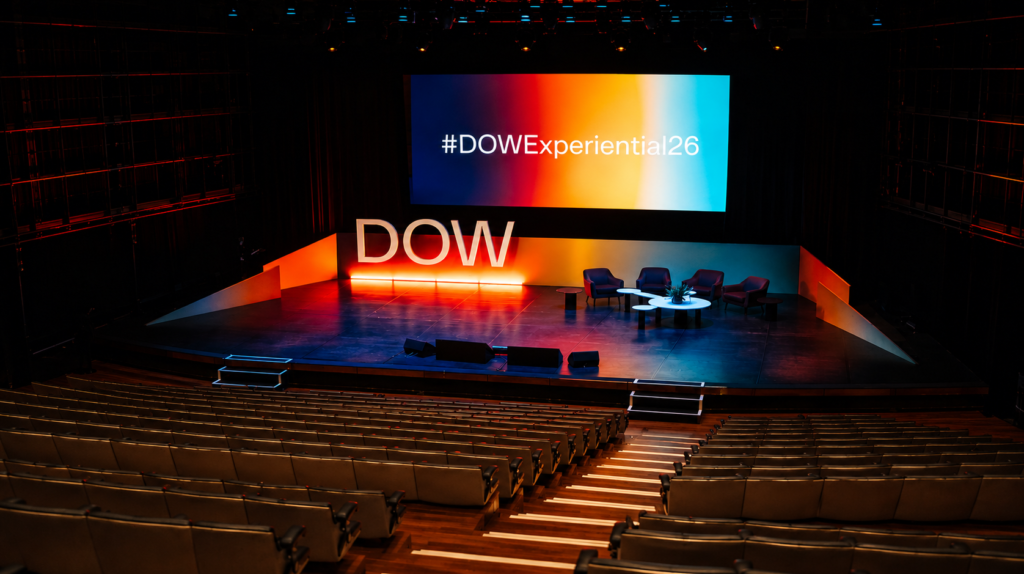
Walk into a truly great event, and it feels almost effortless. The room sets the right tone, the energy never dips, staff seem to appear exactly when needed and disappear when they’re not. That sense of ease is not an accident, and it’s not luck. It’s the visible outcome of dozens of decisions made long before a single guest arrived, most of which nobody in the room will ever consciously notice.
Compare that to an event that feels slightly off, nothing catastrophic, just a registration line that drags, a keynote that starts ten minutes late, a host who doesn’t quite know the guest of honor’s name. Guests can’t always articulate what went wrong, but they feel it.
And in almost every case, the root cause isn’t something that happened during the event. It’s a gap that opened up weeks earlier and was never closed.
Every Event Needs a “Why”
The first question isn’t “Where should we host it?” or “What should the stage look like?” It’s “Why are we organizing this event?”
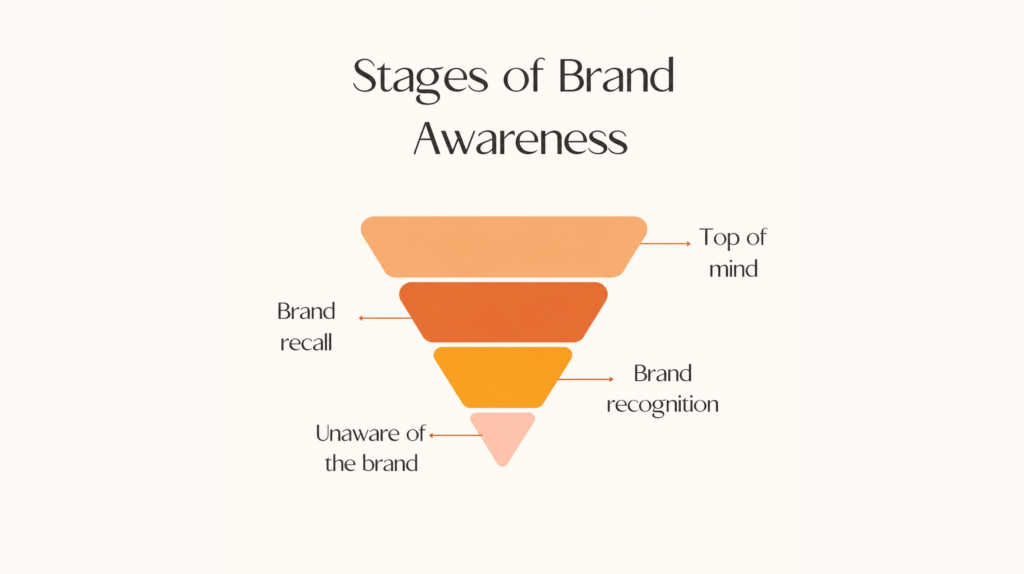
Every event should have a defined objective. It could be launching a product, engaging customers, rewarding employees, strengthening partner relationships, generating leads, or building brand awareness.
Every decision from the location and format of the event to the agenda and visitor experience contributes to the purpose it has been established. Without a clear purpose, even a well-executed event can struggle to deliver meaningful business results.
Where Strategy Meets Experience
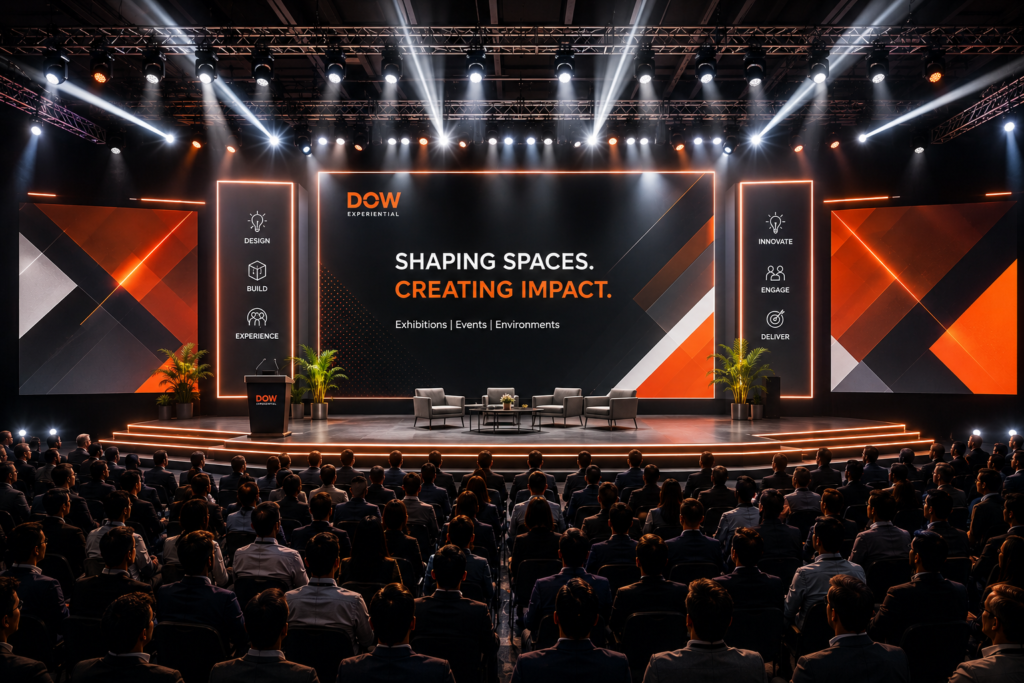
From the time they receive the invitation until long after they depart the location, attendees have already developed opinions. Their overall impression of your brand is influenced by a number of factors, including registration, welcoming experiences, stage design, presentations, networking opportunities, food service, and closing sessions.
When every touchpoint is planned intentionally, the event feels effortless for guests even though it required months of preparation behind the scenes.
Coordination Holds It All Together
Every event has several moving components operating at the same time. Venues, production teams, designers, fabricators, caterers, speakers, logistics partners, technology providers, photographers, and event staff all need to operate as one coordinated team.
Even little delays can have an impact on the entire event schedule if there is unclear communication and poor project management. Effective coordination guarantees that all components come together precisely when needed, enabling the event to go off without a hitch.
Preparing for the Unexpected
No event is completely predictable. Technical issues, weather conditions, delayed shipments, and last-minute changes can happen at any time. The difference between an average event and a successful event often lies in how well these situations are managed.
Experienced event teams don’t just plan for the event; they plan for what could go wrong. Backup equipment, contingency schedules, alternative suppliers, and risk assessments help ensure that unexpected challenges don’t become visible problems.
Execution Is Where Planning Comes to Life
Planning creates the blueprint, but execution brings it to life. On event day, every team member has a defined role. Timelines are followed closely, last-minute adjustments are made quickly, and hundreds of decisions happen in real time without disrupting the guest experience.
When preparation has been thorough, execution becomes more confident, more efficient, and far less stressful.
Success Is Measured Long After the Event
The value of an event extends beyond the closing session. Following up with attendees, collecting feedback, sharing event highlights, nurturing new leads, and evaluating performance are all essential steps in measuring success. These insights also help improve future events and strengthen long-term relationships with customers, partners, and stakeholders.
Conclusion
At DOWXperiential, we know that great events don’t begin on event day; they begin with strategy, planning, and attention to every detail. From concept to execution, we focus on creating experiences that not only run seamlessly but also support your business goals.
Because a successful event isn’t just about what people remember, it’s about the impact it creates long after the event is over.