
Introduction
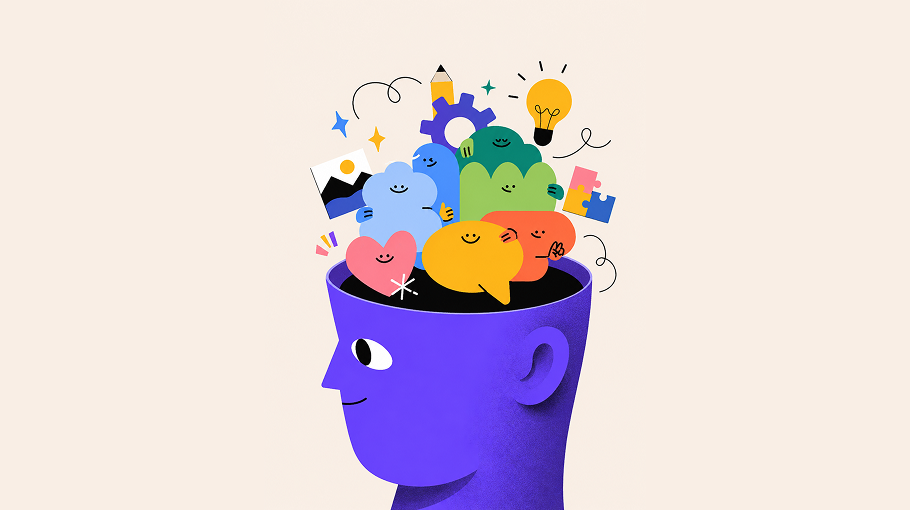
Every space tells a story. Some inspire creativity, encourage connection, and leave lasting impressions. Others create frustration, confusion, and missed opportunities. The difference isn’t always obvious, but it’s almost always the result of thoughtful design. This blog explores how design shapes human experiences, influencing the way we think, feel, interact, and experience the world around us.
Human Behavior Is Influenced by Design
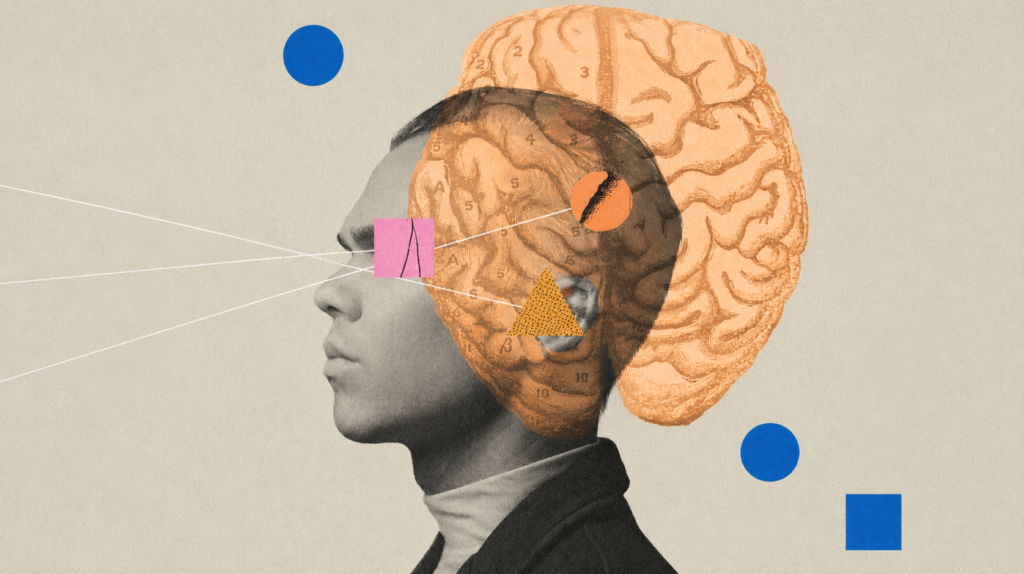
Design isn’t just about how something looks; it’s about how people experience it.
Every design decision influences behaviour. A welcoming entrance draws people in, clear pathways guide movement, and comfortable spaces encourage people to stay longer. That’s why great design starts with people, not aesthetics. By understanding how people move, interact, and engage with a space, designers create environments that feel intuitive, functional, and effortless to use.
When form and function come together, design becomes almost invisible. People don’t think about the design; they simply enjoy the experience.
Design Shapes Emotions
Great design doesn’t just influence how a space looks; it influences how it feels.
A luxury hotel creates comfort through soft lighting, warm materials, and calming colours. A product launch builds excitement with immersive visuals, dynamic lighting, and sound. Every element is carefully chosen to create a specific emotional response.
From lighting and textures to acoustics and spatial planning, designers use these details to shape mood and create memorable experiences. Because the best designs don’t just impress people; they make them feel something.
Function Always Comes Before Form
An office with stylish furniture but poor lighting or confusing layouts can reduce productivity, while the lack of quiet zones can make it difficult to focus. No matter how impressive a workplace looks, it should first make everyday work easier and more efficient.
The best office designs balance aesthetics with functionality. Every element from layouts and lighting to furniture and collaborative spaces should have a purpose. Because great workplace design isn’t just about creating a beautiful office; it’s about creating an environment where people can do their best work.
Designing for People, Not Trends
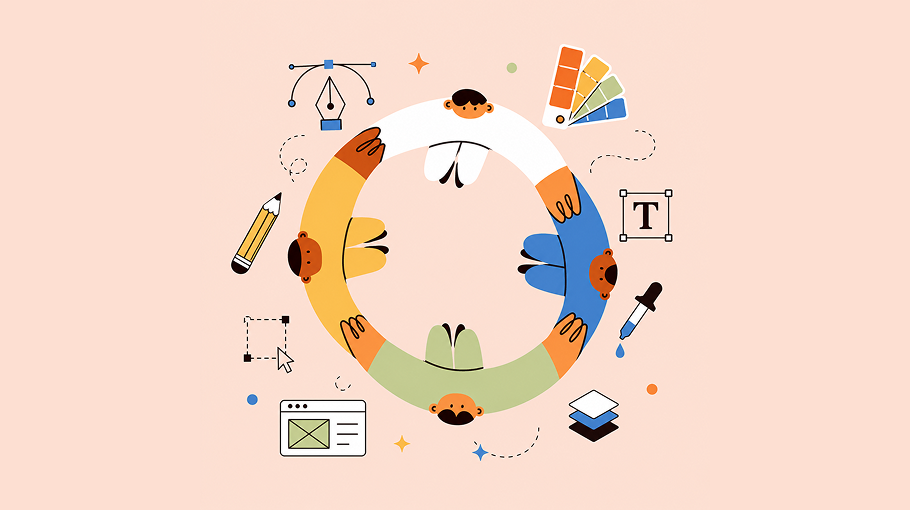
Open spaces, minimalist interiors, bold colours, and biophilic design. Every few years, a new trend takes centre stage. While trends can inspire fresh ideas, they shouldn’t define a space.
Great design begins by understanding the people who will use it. How will they work? How will they collaborate? What challenges might they face? A well-designed place isn’t built around what’s fashionable or aesthetics.
When spaces are designed for people rather than trends, they remain functional, relevant, and meaningful long after the latest design style has faded. Because timeless design isn’t about following what’s popular; it’s about creating experiences that continue to make a positive impact for the people who use them.
Poor Design Creates Friction
If there’s one takeaway from this article, it’s this: the best designs don’t demand attention; they earn it by making every experience feel seamless.
Poor design interrupts the experience before it even begins. Confusing layouts, inadequate lighting, cramped workspaces, and unclear wayfinding force people to focus on navigating a space instead of experiencing it. Whether it’s an employee struggling to collaborate, a customer unable to find what they’re looking for, or a visitor losing interest in an exhibition, every obstacle weakens the overall experience.
Conclusion
People may forget the colour of a wall or the style of a chair, but they’ll always remember how a space made them feel.
That’s the true measure of great design. It’s not about creating the most visually impressive environment; it’s about creating experiences that feel effortless, purposeful, and memorable. When design is centred around people, every interaction becomes more intuitive, every space becomes more meaningful, and every experience leaves a lasting impression.
Because in the end, great design doesn’t just shape spaces, it shapes the people who experience them.